WELCOME CONTACT WITH US THROUGH WHATSAPP: +86 180 0549 3293

12 Biggest Differences Between Sintered Stone And Marble

The texture of natural stone is natural and transparent. This is unmatched by any material. However, because it is natural, there will be various flaws, including dry cracks, water lines, black scars, and red lines. It’s not fixed, and the slab’s color may also vary. Maybe one side is particularly white, while the other side is reddish.
Moreover, natural stone also has inherent characteristics in terms of hardness (scratch resistance) and water absorption (anti-pollution). The weak points require professional maintenance after being used for some time…. Sintered stone is an imitator, so it will naturally take its advantages and remove its flaws. In addition, the weak points of natural stone happen to be the biggest advantages of sintered stone, such as high hardness and low water absorption, thin and large size! The application range is much larger than that of natural marble… You can use sintered stone to decorate anywhere you can think of! The details of the differences between sintered stone and marble, let’s look into it.
Difference Between Sintered Stone And Marble
1. Fundamental Difference
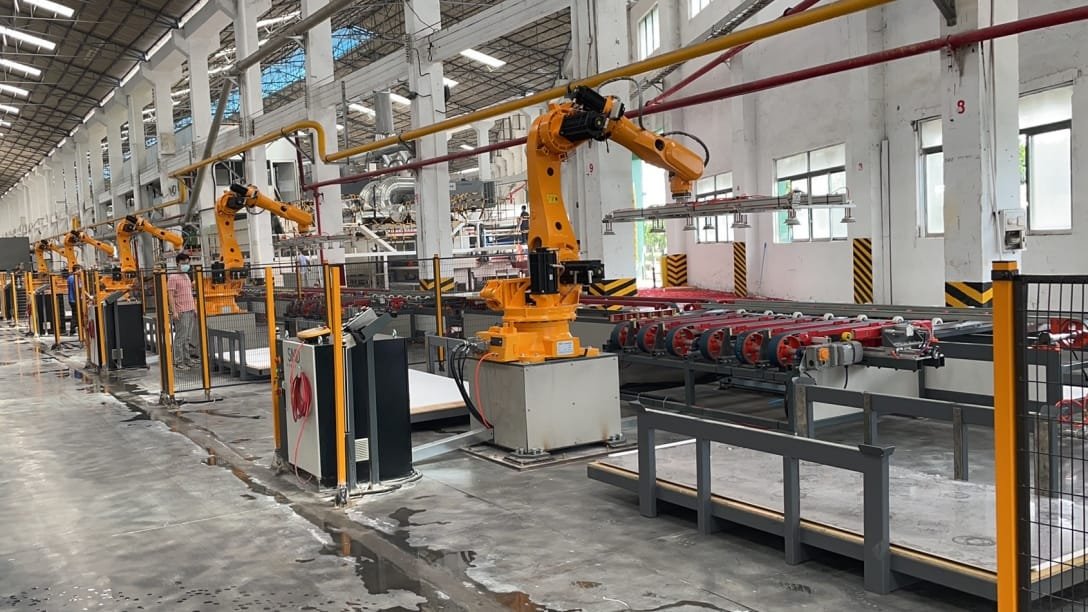
Marble is a completely nature stone, cut from natural stone blocks, Sintered Stone is artificial stone (other names like ‘man-made stone’, or ‘engineered stone’), compressed from a mix of natural stone powders.

2. Composition Of Sintered Stone vs. Marble
The raw materials of sintered stone are 100% natural ingredients. The minerals of quartz and feldspar in granite give it a sense of solidity; the minerals of glass and quartz provide stability; and natural oxides provide individual color.
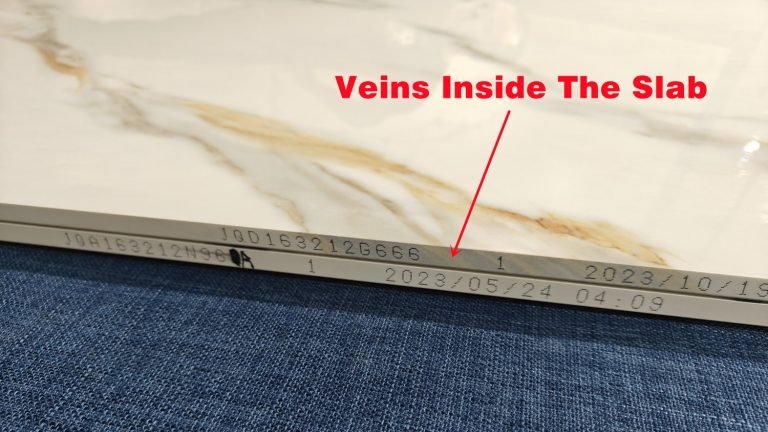
The sintered stone forming process presses the natural mineral raw materials at high pressure with a press of more than 15,000 tons (the Italian System’s press can reach a maximum pressure of 50,000 tons), through NDD inkjet technology to generate various exquisite texture effects, the finished product is sintered at a high temperature of over 1280°C in a strictly temperature-controlled fully automatic kiln.
Nature marble is mainly composed of calcite, limestone, serpentine, and dolomite. Its main component is calcium carbonate(CaCO₃), accounting for more than 50%. Others include magnesium carbonate, calcium oxide, manganese oxide silicon dioxide, etc.

3. Appearance Of Sintered Stone vs. Marble
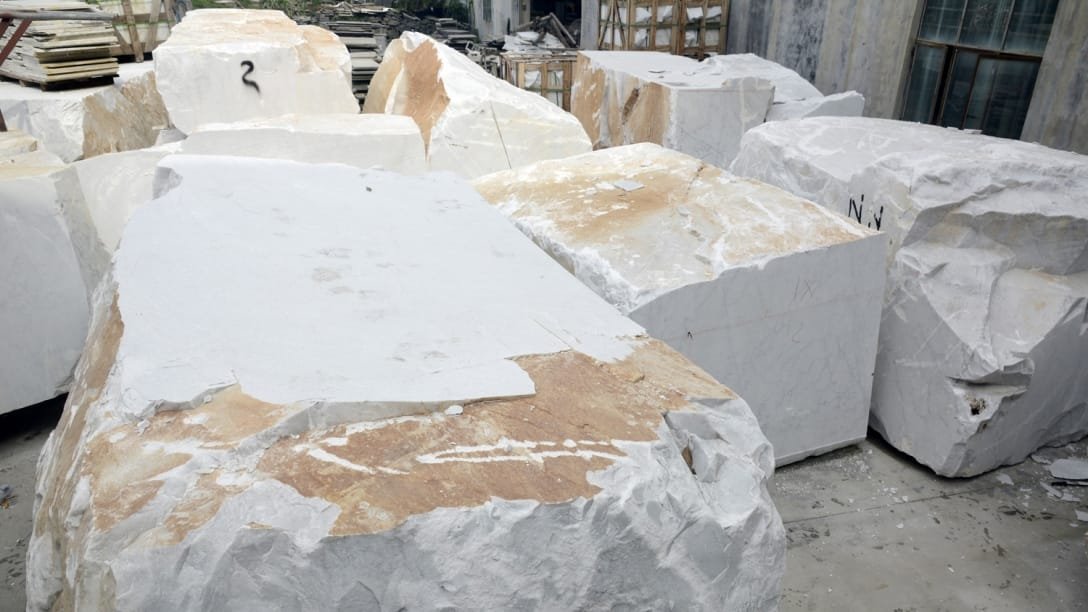
Marble is a natural material mined from nature. It has clear, smooth, and delicate textures, and each piece of marble has a different texture. However, because of its natural properties, there will inevitably be some defects in appearance, such as cracks and stains.
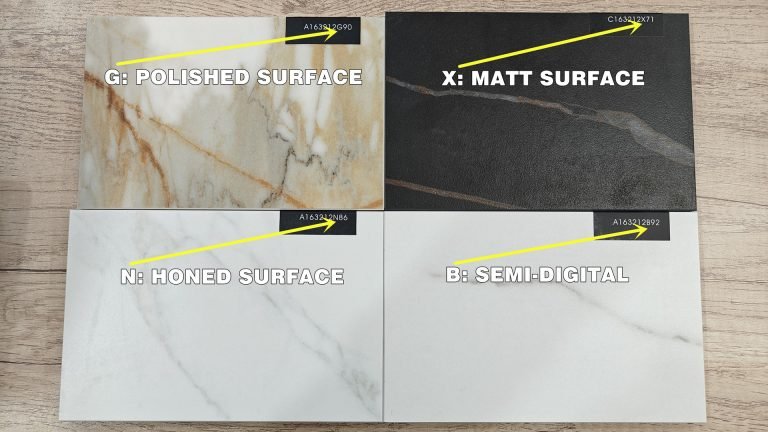
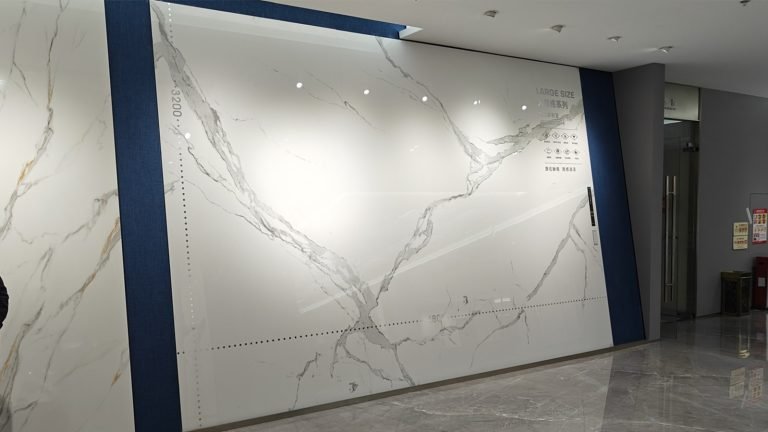
Sintered stone is an artificial product, mostly stable and similar in appearance, but its texture is similar or better to natural stone.


4. Wear Resistance And Hardness
The Mohs hardness of marble is 2.5-5, which is easy to wear and scratch, while the Mohs hardness of sintered stone is 6-7, which has strong wear resistance.

5. Permeability
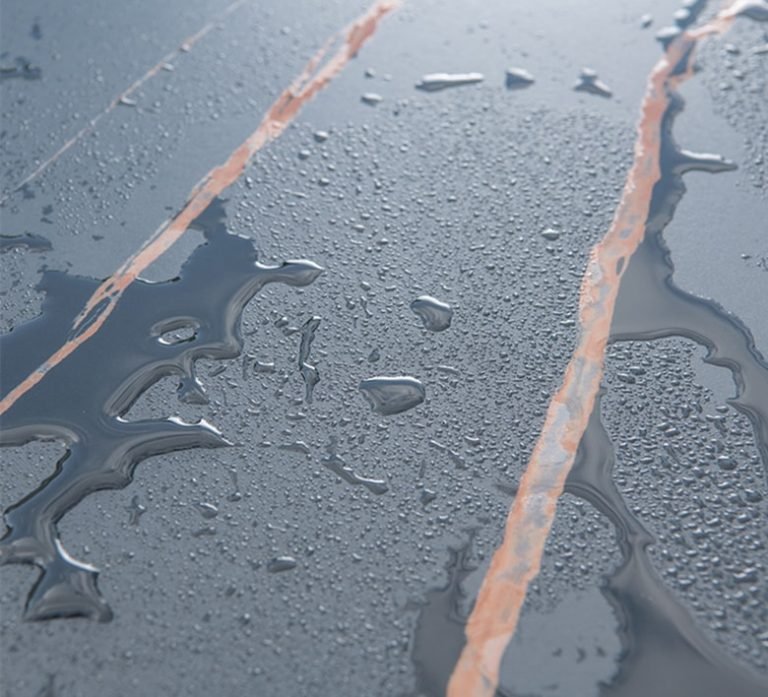
The surface of the marble is relatively loose and easily absorbs water, making it troublesome to clean. However, sintered stone has a high density and is highly waterproof and anti-fouling.
6. Temperature Resistance
The marble has a loose structure and is easily broken in high-temperature environments; Sintered stone is fired at 2000 degrees, so it is not afraid of high temperatures. Fired over an open fire, no traces are left.

7. Acid And Alkali Resistance
The main component of marble is calcium carbonate, which is prone to chemical reactions when encountering strong alkalis or strong acids. The main component of sintered stone slabs is silica, which is difficult to react with ordinary substances.
8. Water Absorption Rate
The marble water absorption rate is 0.06%~0.45%, while sintered stone is 0.01%.
9. Stability
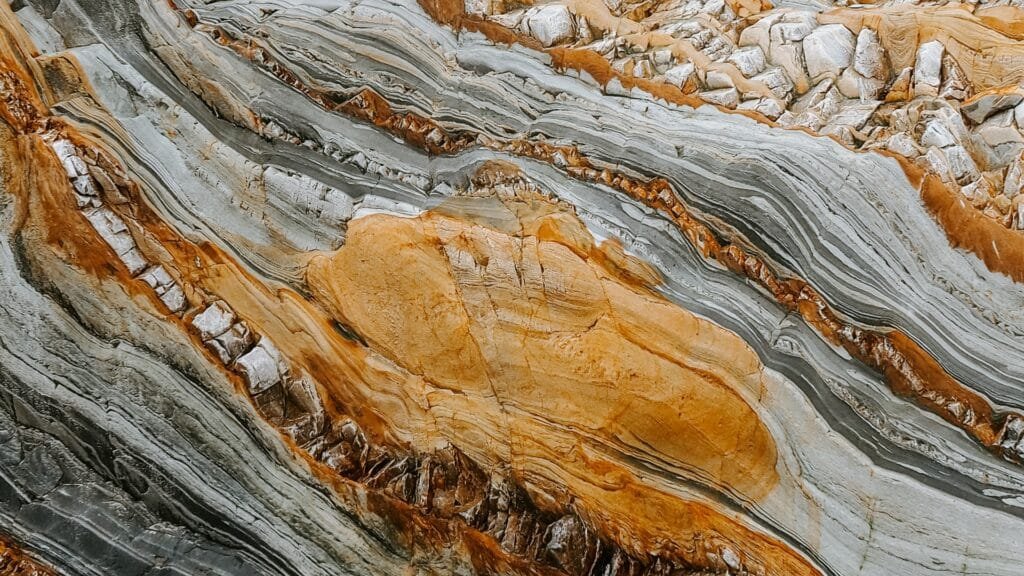
Nature marble is susceptible to weathering and erosion, while sintered stone is durable and can meet various needs.
10. Different Environmental Protection Levels
There is a certain amount of radiation in marble. Although its radioactivity is very low and will not cause harm to the human body, it still makes consumers unavoidable. When purchasing marble, you must choose products that have passed national standards inspection.
There is no radiation in sintered stone. It uses natural stone powder and clay, which does not require large-scale mining of nature. Moreover, the waste materials can be completely recycled and reused, making it very environmentally friendly.
11. Price
Sintered Stone represents not only an environmentally friendly material but also a brand-new space customization lifestyle. Sintered Stone have grown steadily in recent years. It has the fashionable texture of marble, the hardness and temperature resistance of granite, and outstanding performance. Therefore, Sintered Stone is more expensive than marble.
In terms of appearance, Sintered Stone is full of design. Its texture and modernity are all amazing. If we want to talk about its shortcomings, it is that it is expensive and has nothing wrong with it.
12. Application
Marble stone is mainly used to process into various shapes and plates for walls, floors, platforms, and columns of buildings. It is also often used as a material for monumental buildings such as monuments, towers, statues, etc. Marble can also be carved into arts and crafts, stationery, lamps, utensils, and other practical works of art. It has a soft texture, beautiful appearance, solemnity, and elegant style. It is an ideal material for decorating luxury buildings and a traditional material for artistic sculpture.
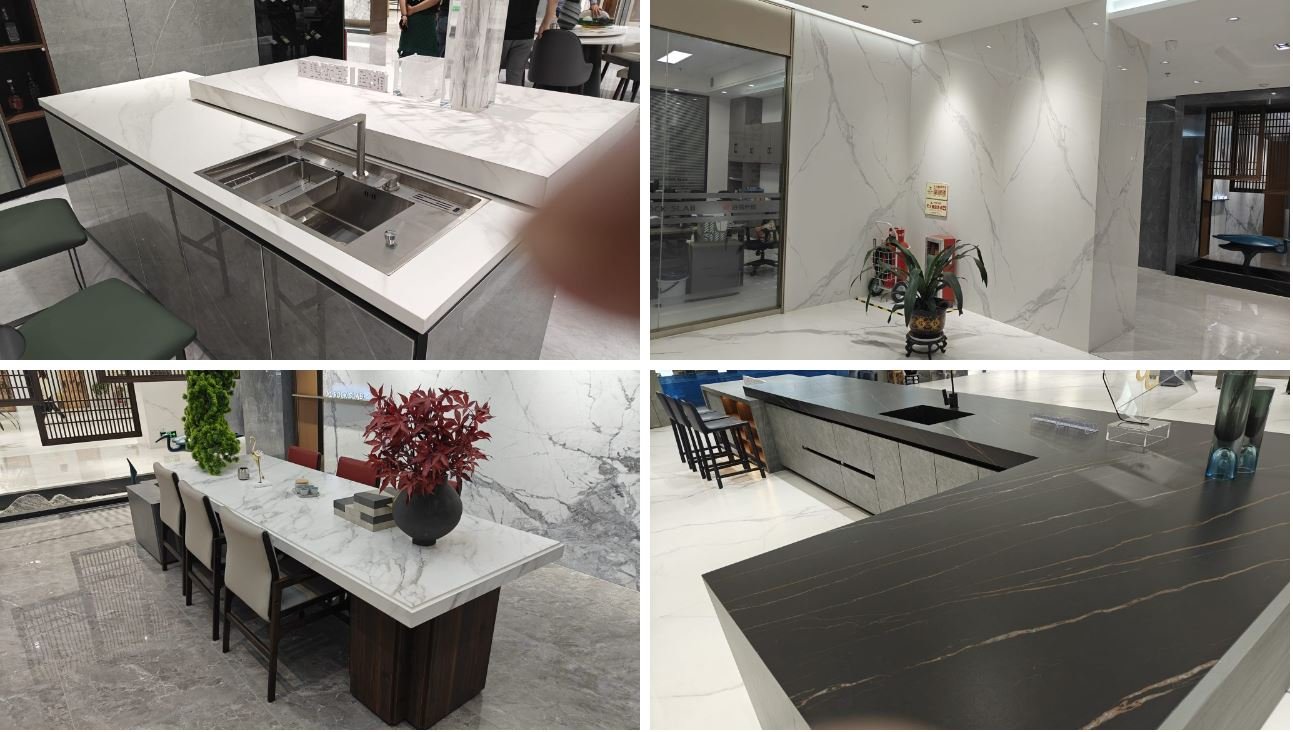
The physical properties of sintered stone slabs such as density, high resistance, and bending resistance far exceed those of marble. It can withstand moisture and is super resistant to stains and stains. Just wipe it with clean water and ordinary stains will be as clean as new. Sintered stone is scratch-resistant and has an equal surface and a hard texture, also acid and alkali-resistant, corrosion-resistant, antibacterial, and bacteriostatic. It has food-grade kitchen countertop standards, and it is not a problem to chop meat and vegetables directly on the countertop. It is mainly used in the field of home and kitchen, including the application of countertops, dining tables, coffee tables, cabinets, wash basins, tea trays, and other panels.
IN THE END
As A New Stone Products, SINTERED STONE Has Become A Strong Competitor To Marble, Granite And Quartz Stone. Sintered Stone Will Be A Stone You Can Not Ignore. If You Also Want to Develop A Brand Of Your Own, Come To Us, We Are The Right Choice.
CONTACT US AT
Email: hero@linxsintered.com
WhatsApp: +86 180 0549 3293
USEFUL LINKS
YOUTUBE CHANNEL: LINX SURFACES CHINA
WIKI: Sintered Stone Linx “Wikipedia”