WELCOME CONTACT WITH US THROUGH WHATSAPP: +86 180 0549 3293

The Very Popular Stone At The Moment, Sintered Stone, What Is It?

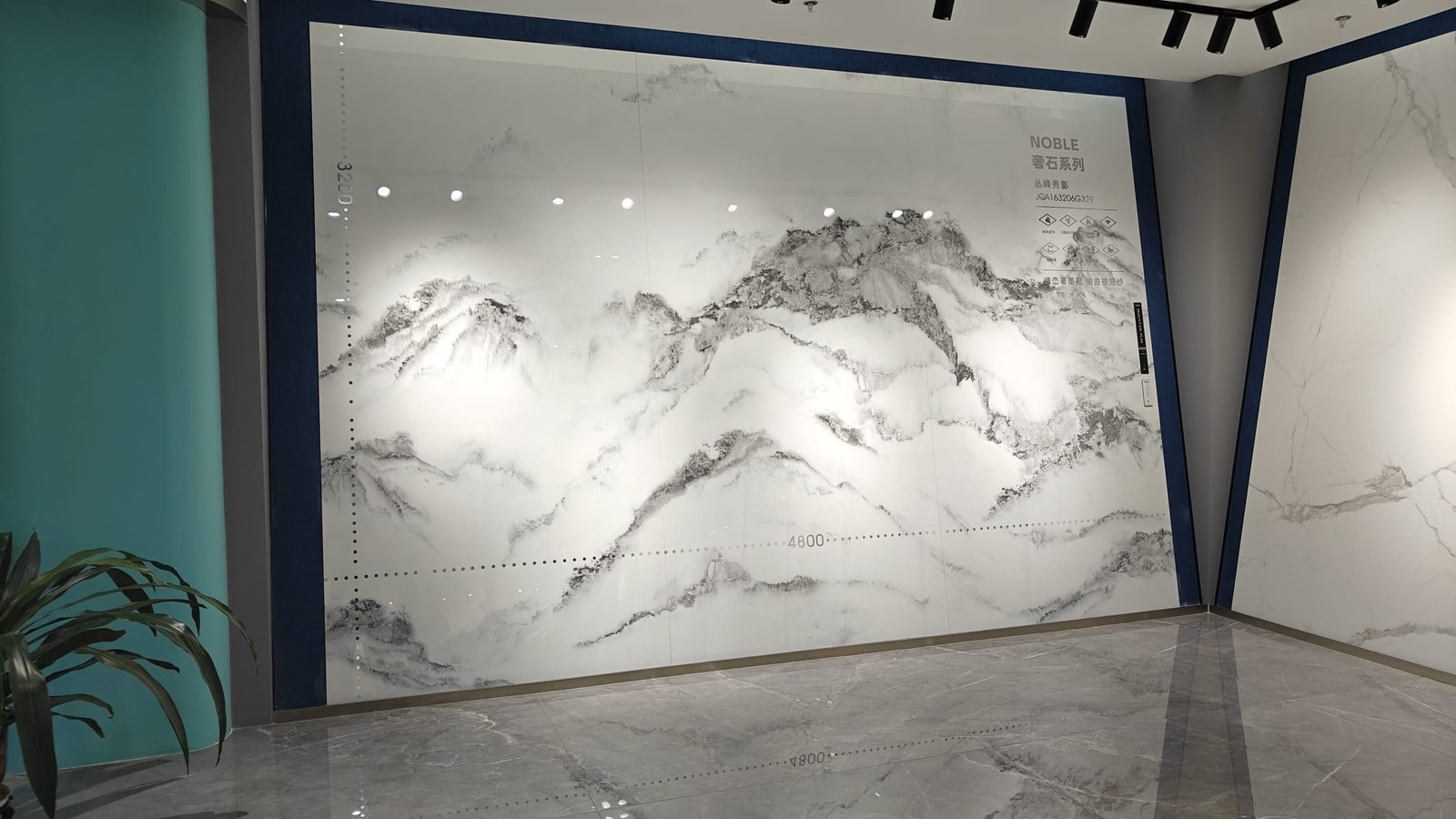
With the continuous development of the building materials industry, new materials are emerging one after another, and a variety of products are dazzling. In the past two years, SINTERED STONE, a new building material, has attracted much attention in the market. Some people say it is another name for ceramic tiles, while others say it is an upgraded version of ceramic tiles. So what exactly is SINTERED STONE?
Sintered Stone, is a popular building material made from blast furnace slag and other auxiliary materials. It has been widely used in the construction field for its environmental protection, fire resistance, heat insulation and other properties. This article will deeply explore the definition, production process, characteristics, application fields and future development trends of sintered stone slabs. Hope we can help you understand the value and prospects of this new special material.
ONE: The Definition Of Sintered Stone
1. The relationship between sintered stone and ceramic tiles
SINTERED STONE is not another name for ceramic tiles, but a new type of building material similar to ceramic tiles. Compared with traditional ceramic tiles, the production process and ingredients of sintered stone slabs are very different, but they have many similarities in appearance, texture and usage scenarios. Therefore, some people mistake sintered stone for a type of ceramic tile.
2. Definition and classification of sintered stone slabs
SINTERED STONE is a high-quality building material with a natural rock texture. It’s made of a mixture of natural minerals and ceramic particles. Depending on the production process and raw material composition, sintered stone slabs has various types such as all-ceramic slabs, stone-plastic slabs and stone-grained slabs.
TWO: Characteristics Of Sintered Stone Slabs
Ultra-thin And Lightweight: The popular thickness of is generally between 3-12mm, which is much thinner ordinary ceramic tiles. This makes the slabs lighter and easier to install.
Wear-Resistant and Scratch-Resistant: The surface hardness is high, and its wear-resistant and scratch-resistant performance is better than that of traditional ceramic tiles, making it suitable for use in high-traffic areas.
High Strength: Although the thickness is thin, the compressive and flexural strength is far higher than ordinary ceramic tiles.
Good Environmental Performance: There is no need for firing during the production process of SINTERED STONE SLABS, low energy consumption, and less environmental pollution.
Diverse Designs: SINTERED STONE can achieve a variety of patterns and textures through inkjet printing technology to meet the aesthetic needs of different consumers.
Save Space: Ultra-thin design of the SINTERED STONE SLAB helps reduce the thickness of the wall, making best of space.
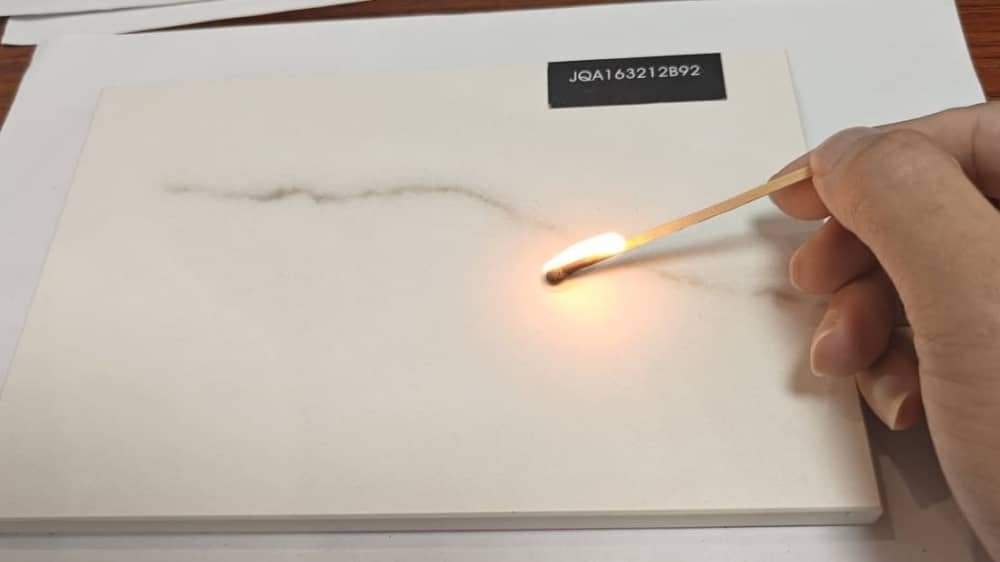
High Temperature Resistance, Freeze-Thaw Resistance: SINTERED STONE SLAB has good high-temperature resistance and ok for high-temperature environments; it also has strong freeze-thaw resistance and is suitable for outdoor scenes in cold areas.
THREE: Application Of Sintered Stone Slabs
Indoor Walls And Floors: SINTERED STONE is perfect material for indoor walls and floors, and it’s suitable for various places such as homes, offices, shopping malls, etc.
Outdoor Walls: SINTERED STONE has excellent high temperature resistance and freeze-thaw resistance, and is suitable for outdoor wall decoration.
Furniture Surface: SINTERED STONE can be used as decorative material on the surface of furniture, such as cabinets, wardrobes, etc.
Special Scenes: SINTERED STONE can also suitable in special scenes such as floor heating and fireplaces to meet specific functional requirements.

FOUR: Sintered Stone Market Current Situation And Suggestions
In the past two years, SINTERED STONE has rapidly emerged in the market and is very popular among consumers. According to data, China’s SINTERED STONE market size has exceeded 15 billion RMB in 2022. The market size has exceed 20 billion RMB in 2023, with an annual growth rate of approximately 30%.
FIVE: Sintered Stone Buying advice
(1) Brand Selection: When purchasing SINTERED STONE SLABS, a well-known brands can ensure product quality and after-sales service.
(2) Applicable Scenarios: Choose the appropriate type according to your own needs and scenarios, such as indoor, outdoor, furniture surfaces, etc.
(3) Quality Inspection: Carefully check the thickness, strength, wear resistance and other indicators.
(4) Installation Process: In order to ensure the service life of the SINTERED STONE SLABS, it is recommended to choose a professional construction team for installation.
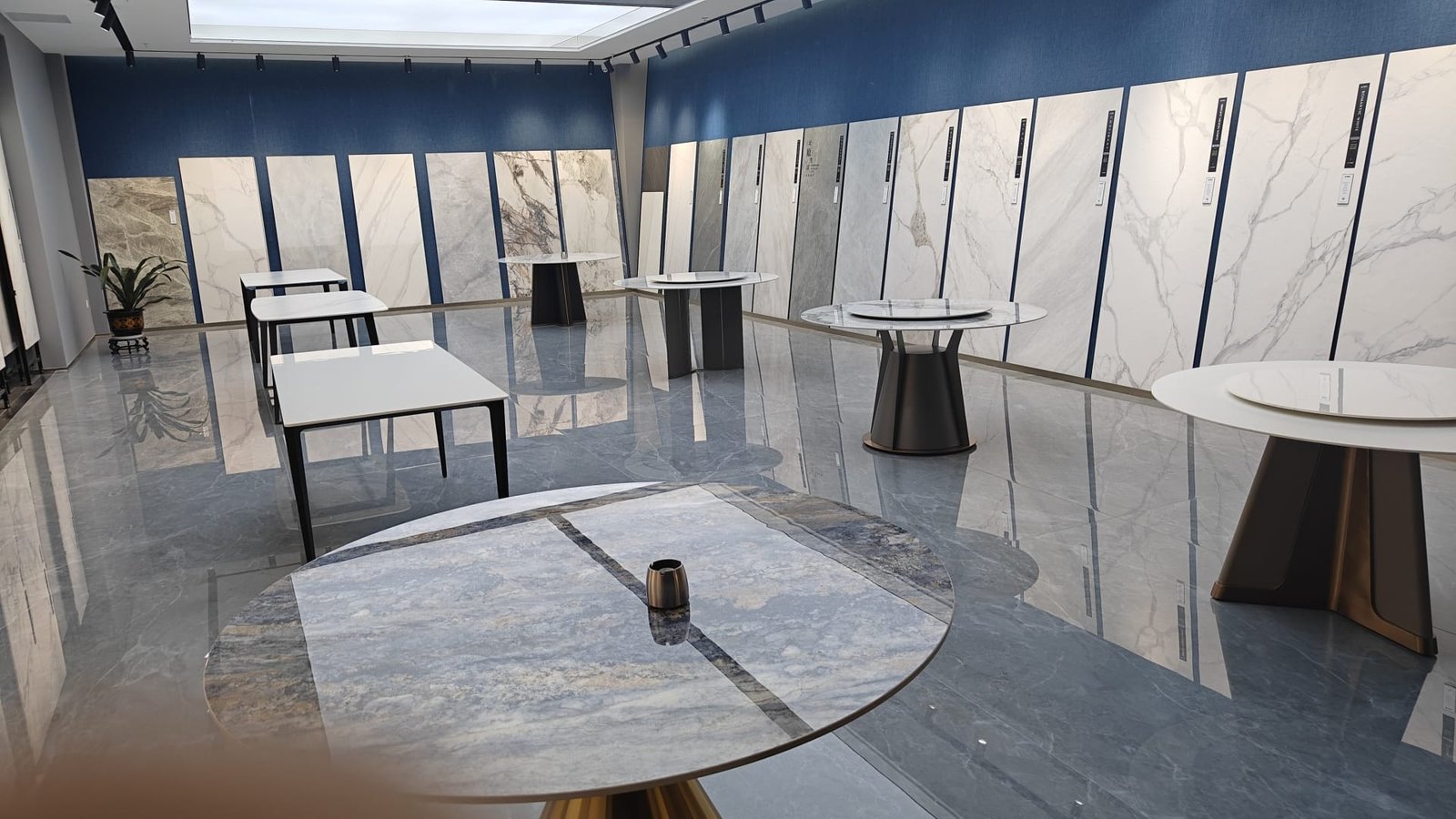
SIX: Tips For Purchasing SINTERED STONE SLABS
Observe The Appearance And Texture: When purchasing SINTERED STONE SLABS, you should carefully observe the appearance and texture of the product to check whether the surface is flat, the color is uniform, and the texture is clear. Quality SINTERED STONE SLABS should have a natural rock texture and beautiful appearance.
Check The Simensions: Measure the dimensions of the SINTERED STONE SLAB to make sure it meets the design requirements. At the same time, compare the sizes of multiple SINTERED STONE SLABS to check whether the manufacturer’s production process is fine and whether the product sizes are consistent.
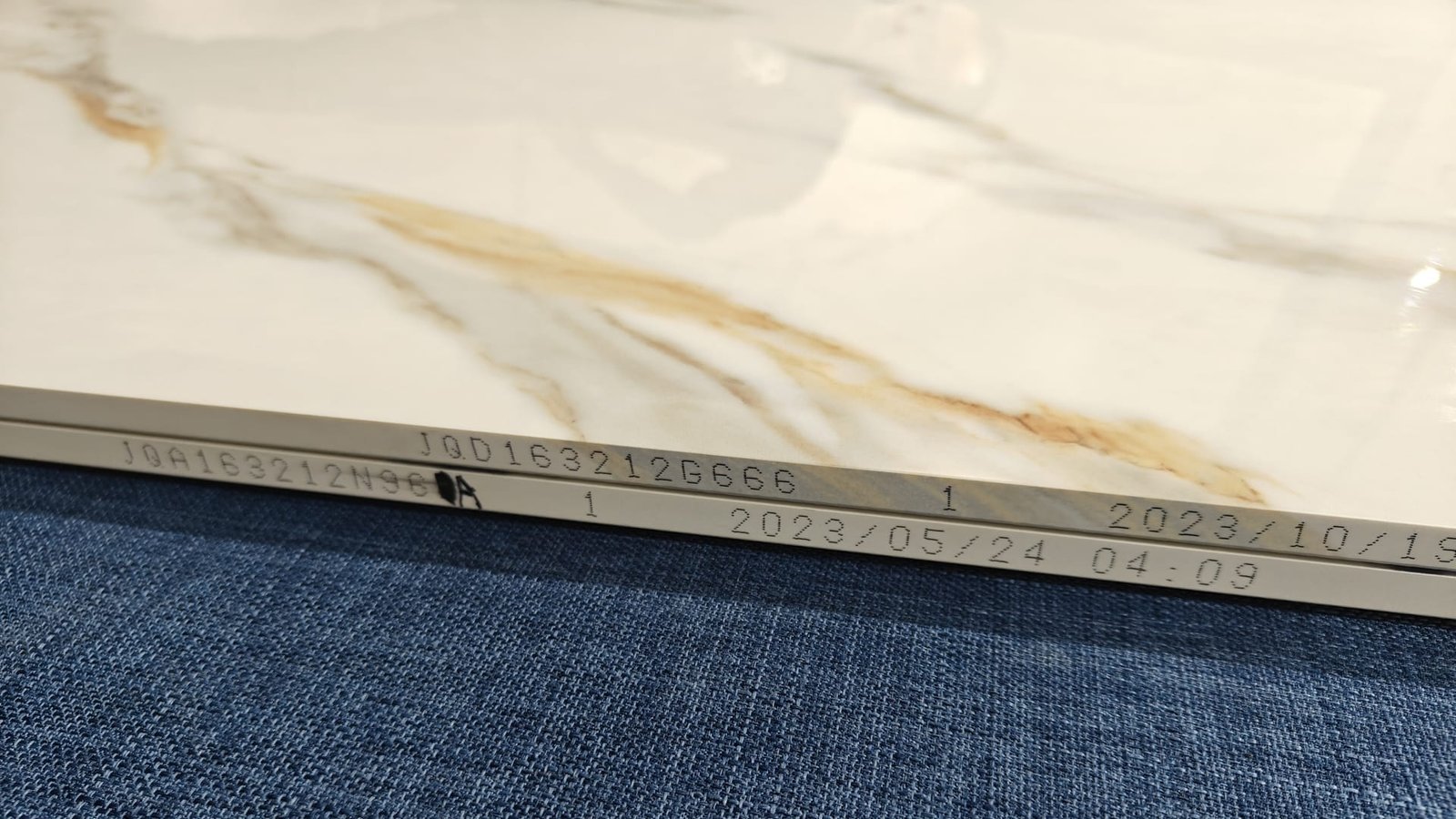
Check The Product Identification: Check the packaging and identification of the SINTERED STONE product to learn about its manufacturer, production date, model specifications and other information. Choose products with clear markings and complete packaging to ensure you are purchasing an authentic product.
Understand The Material Composition: Understand the material composition of SINTERED STONE SLABS. Choose the appropriate type according to your needs and budget. All-ceramic slate has better environmental performance and wear resistance, but the price is relatively high; the price of stone plastic slate and stone grain slate is relatively low, but the performance is slightly different.
Consult After-Sales Service: Understand the after-sales service provided by the manufacturer, such as product warranty period, returns and exchanges, compensation policy, etc. Choose a manufacturer with good after-sales service.
Compare The Price: When purchasing SINTERED STONE SLABS, don’t blindly pursue low prices. A reasonable price should match the quality and performance of the product. A price that is too low may mean that the product is of poor quality, affecting its effectiveness and longevity.
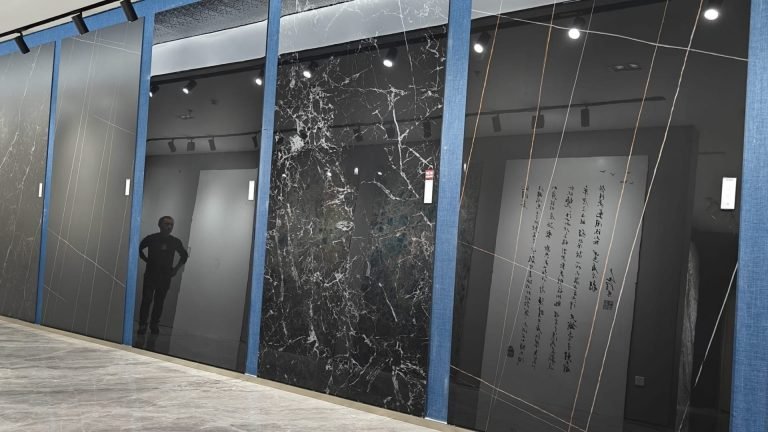
Experience The Actual Effect: Before purchasing, you can visit the show room or actual project case to see the texture and effect of the SINTERED STONE in person. In addition, communicating with consumers who have purchased and used SINTERED STONE, their experience and suggestions will also help to choose satisfactory products.
SEVEN: Summarize
As a new type of building material, SINTERED STONE is increasingly favored by consumers due to its ultra-thin, lightweight, high-strength, and environmentally friendly characteristics. While SINTERED STONE SLABS and ceramic tiles have some similarities, but they are not the same material. When purchasing SINTERED STONE, consumers should choose the appropriate product type and brand based on their own needs and scenarios.